


Russia Proposes Direct Rail Link to India via Iran and Pakistan
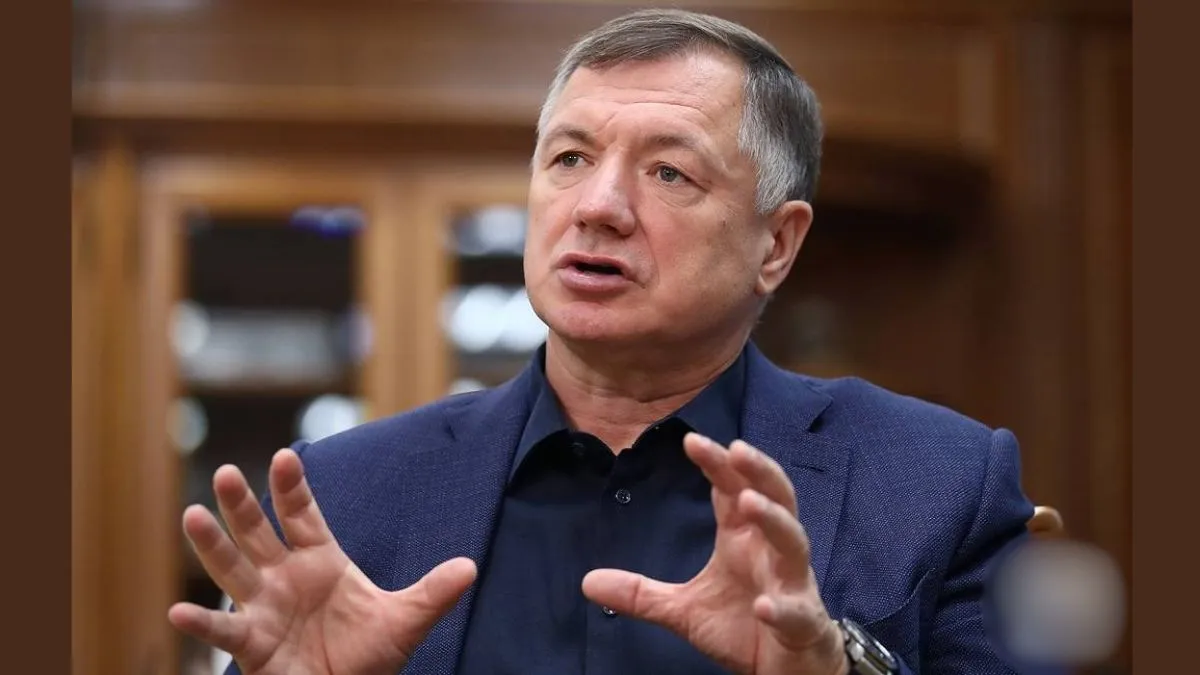
Russian Deputy Prime Minister Marat Khusnullin discussed the idea of launching a train service connecting Russia to India. He made these remarks during an interview with the news agency TASS. Khusnullin stated that Russia should consider the possibility of constructing a direct rail line to the Indian Ocean to mitigate transport risks associated with the Bosphorus and the Strait of Hormuz.
Elaborating on the potential corridor, Khusnullin noted that alternative transport routes could pass through Turkmenistan, Iran, Afghanistan, and Pakistan. He emphasized that any route providing connectivity to India would be considered viable. If this proposed network is realized, it would open a direct overland rail freight route between Russia and India.
According to TASS, Khusnullin said, "The possibility of building a rail line to the Indian Ocean should also be explored. Alternative routes—such as those passing through Turkmenistan, Iran, Afghanistan, and Pakistan—might be necessary due to the risks associated with the Bosphorus and the Strait of Hormuz. Any option that provides access to India is acceptable."
Iran Closes the Strait of Hormuz
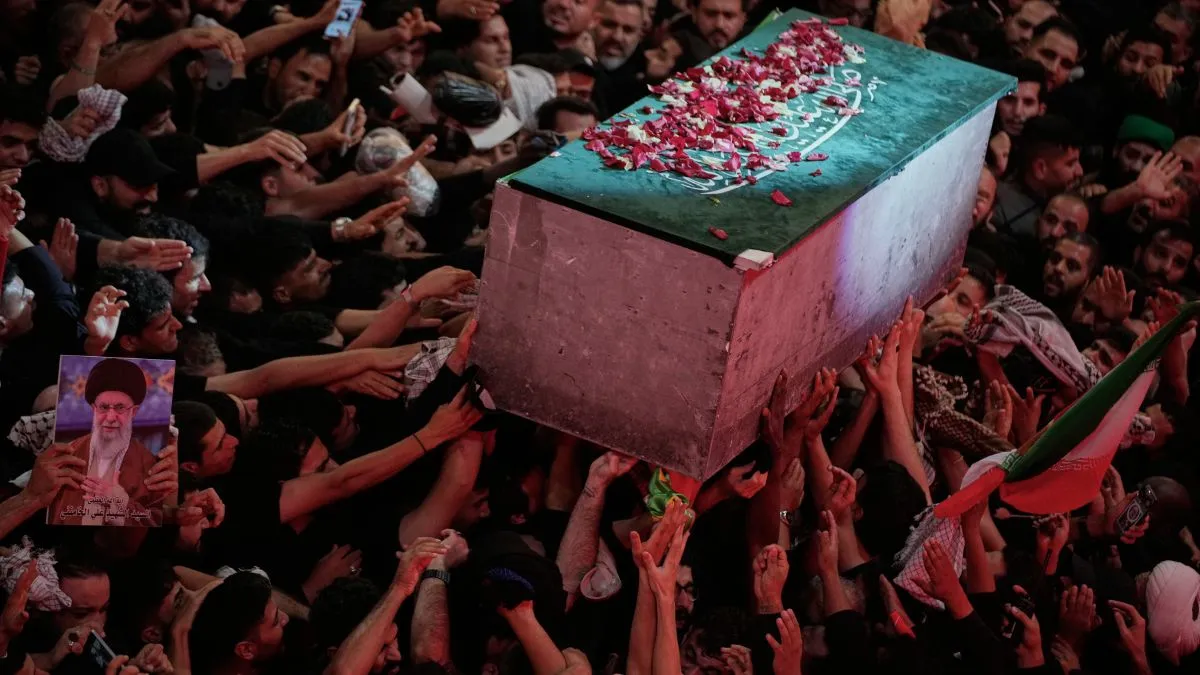
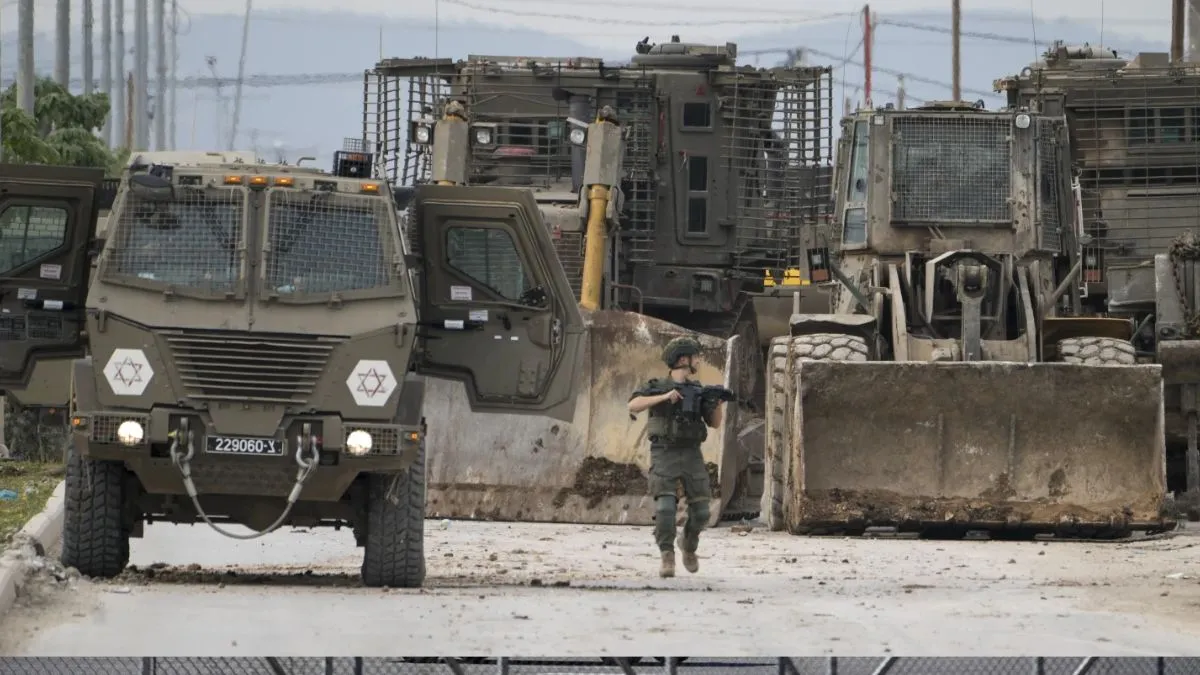
It is worth noting that this proposal for alternative trade routes comes amidst increasing disruptions to maritime activities in the Strait of Hormuz following the ongoing conflict between the US, Israel, and Iran. On February 28, joint military strikes were launched against Iran, targeting major urban centers, including Tehran. In retaliation, Iran's IRGC launched counter-attacks using missiles and drones against Israeli targets and US military bases in Bahrain, Jordan, Iraq, Qatar, Kuwait, the UAE, and Saudi Arabia. Consequently, Tehran announced a maritime blockade of the Strait of Hormuz for vessels linked to the US, Israel, and allied nations involved in the operations against Iran. This strategically vital route (chokepoint) handles approximately 25 percent of global oil trade and about 20 percent of worldwide liquefied natural gas (LNG) shipments.
**Need to Focus on Domestic Economic Infrastructure**
In addition to international logistics corridors, Khusnullin also addressed domestic economic infrastructure. He stated that Russia's construction sector requires sustained, long-term financial support. He noted that the domestic construction industry has the capacity to absorb an additional one trillion rubles in annual investment. He said, "The construction industry is already capable of handling an additional one trillion rubles annually. However, if such funding is secured for the next five years, it would be possible to expand capacity and undertake further construction."
You Might Also Like
-
Russian Deputy Prime Minister Marat Khusnullin discussed the idea of launching a train service con...
-
Proceedings in the Kosovo Assembly had to be halted on Saturday following an uproar caused by the op...

Leave A Comment






Comments